
Fall Skin Recovery After a Summer of Sun

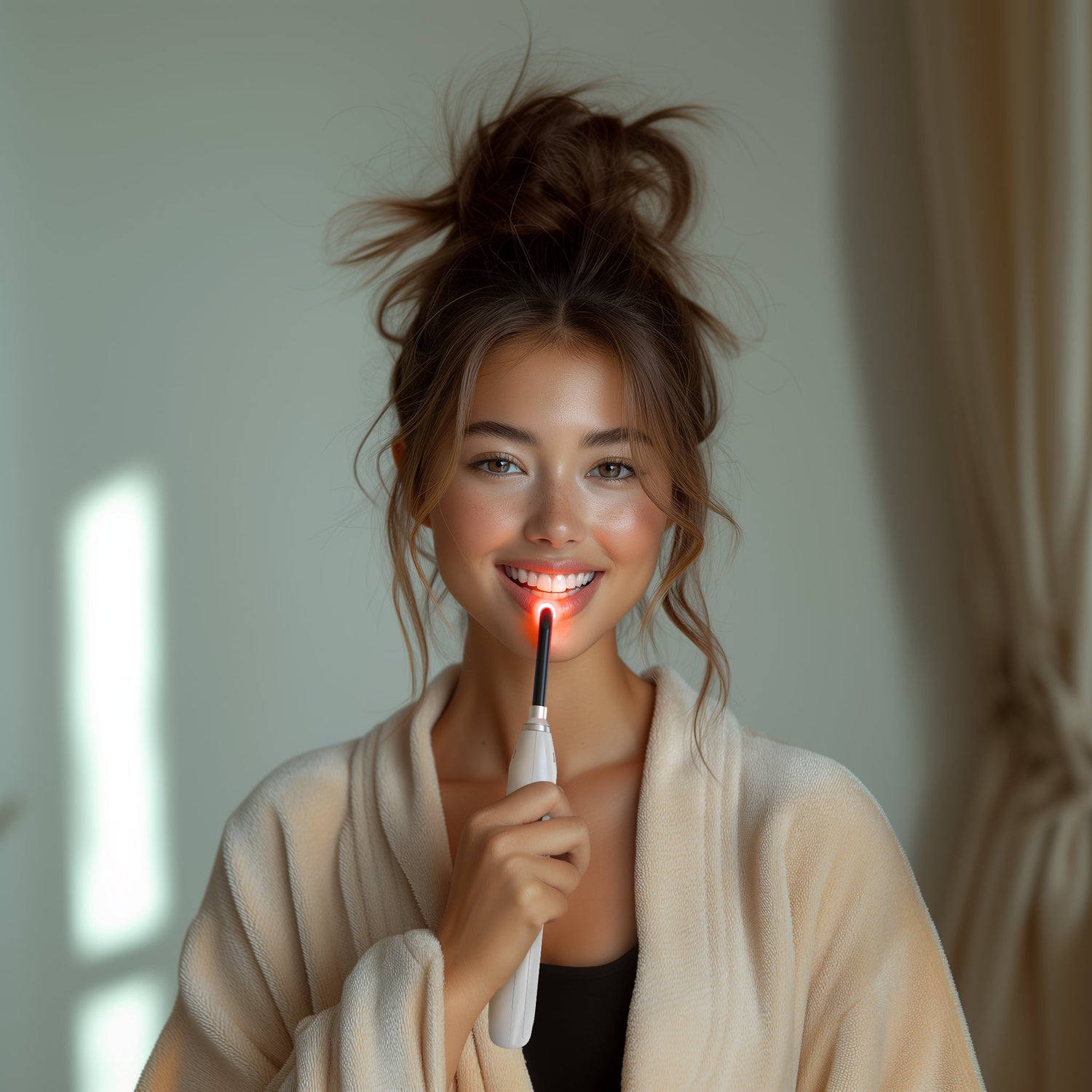
September has a way of resetting everything: schedules, routines, and, for a lot of people, skin. After months of sun exposure, humidity, sweat, and salt water, your complexion is likely carrying more damage than it's showing on the surface. As the air turns cooler and drier, that damage tends to surface all at once in the form of dullness, uneven tone, tightness, and a barrier that suddenly can't keep up. This is exactly the window where red light therapy for fall skin recovery earns its place in a routine.
Unlike a single dramatic treatment, red light therapy for fall skin recovery works with the skin's own repair systems, gently and cumulatively. That makes it well suited to this particular seasonal handoff, undoing some of summer's toll while helping skin adjust to the drier, cooler conditions ahead.
Why Fall Is a Turning Point for Skin
Summer skin damage isn't always visible right away. UV exposure breaks down collagen and elastin gradually, and it's common for the effects, including fine lines, rough texture, and uneven pigmentation, to become more noticeable once summer's glow and extra oil production fade.
At the same time, dropping humidity and the return of indoor heating start pulling moisture out of the skin, compounding whatever UV damage is already there. Skin that felt balanced in August can feel tight and reactive by mid-October without anything else changing.
That combination is why so many people notice their skin looking simultaneously sun-damaged and dehydrated in early fall. It's also why this season is a practical time to start: you're addressing repair and barrier support at the same time, rather than treating one issue in isolation and waiting for the other to resolve on its own.
The Science Behind Red and Near-Infrared Light for Repair
Red and near-infrared wavelengths, generally in the 630 to 850 nm range, penetrate into the dermis where they're absorbed by mitochondria in skin cells. That absorption supports increased cellular energy production, which helps fibroblasts function more efficiently. Fibroblasts are the cells responsible for producing collagen and elastin, so more efficient fibroblast activity translates fairly directly into better tissue repair over time.
This isn't a fringe claim. A randomized controlled study published through the National Institutes of Health tracked over 100 participants treated with red and near-infrared light twice weekly and found significant improvements in skin roughness and complexion, along with measurable increases in intradermal collagen density. That kind of controlled, measurable outcome is what separates red light therapy for fall skin recovery from most seasonal skincare trends.
The mechanism also explains why timing matters. Collagen remodeling is slow, and starting in September means the work is already underway by the time the driest, coldest weeks arrive. For anyone whose main concern is uneven tone rather than texture, the research on pigmentation and sun damage covers how the same cellular processes influence age spots and discoloration.
Building a Fall Recovery Routine
You don't need to overhaul everything to make room for red light therapy for fall skin recovery. It layers onto what you're already doing. A realistic approach looks like this:
- Cleanse gently, and ease off aggressive summer exfoliation habits. If your barrier already feels compromised, acids and scrubs will work against the repair you're trying to support.
- Use red light three to five times per week. Consistency matters more than intensity, and short regular sessions outperform occasional long ones.
- Follow immediately with hydration. Skin tends to absorb serums and moisturizers more effectively right after a session, so this is a good moment to layer in richer products than you used all summer.
- Keep SPF in the rotation. UV rays don't disappear in September, and protecting your skin now helps preserve whatever progress you're making.
For full-face recovery, LED masks deliver even coverage across the whole face at once, which is useful when sun damage and dullness are spread out rather than concentrated in one area. Many people fold a session into a quiet evening routine, wearing it for a few minutes while winding down and then going straight into moisturizer, rather than treating it as a separate chore.
Don't Skip the Hydration Piece
Fall's drop in humidity is the part people underestimate most. Red light therapy supports the skin's repair processes, but those processes still depend on adequate moisture in the tissue. Once indoor heating starts pulling additional water out of the air, even a well-built routine can stall if hydration isn't keeping pace.
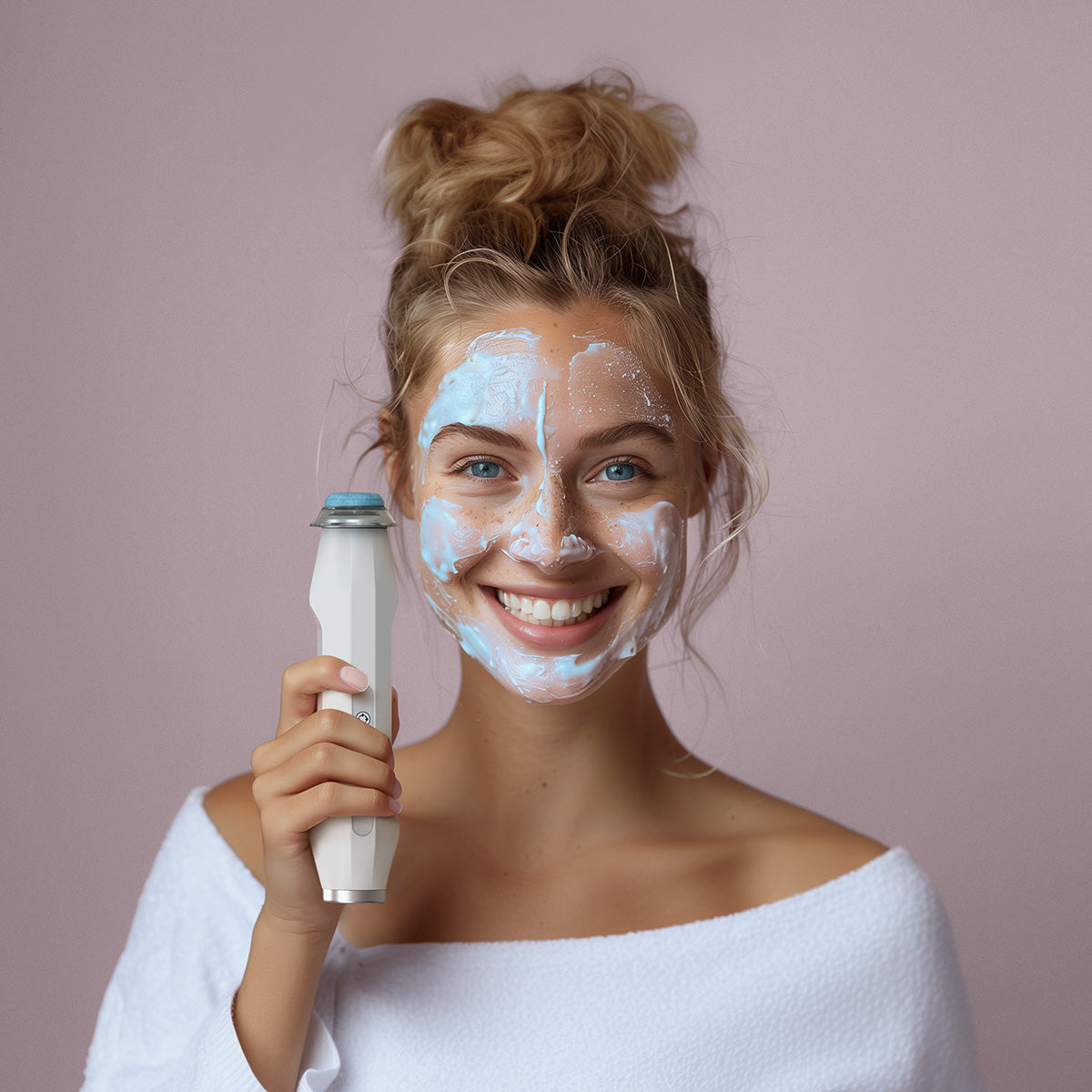
This is where treatments that combine light with deeper serum delivery become useful during the transition. Active infusion systems pair light therapy with improved absorption of hydrating serums, which helps offset the drying effects of cooler weather while repair work is still in progress.
Used together, a full-face session for repair and a hydration-focused treatment address both sides of the fall equation, sun damage recovery and barrier support, without needing an entirely separate routine for each. The pairing tends to produce steadier results than either approach alone, since summer-damaged skin generally needs structural collagen support and moisture retention at the same time.
What to Expect, and What Not To
Red light therapy for fall skin recovery is not an overnight fix, and it's worth setting expectations accordingly.
Weeks 1 to 2: Skin may feel calmer and slightly more hydrated, but visible changes in tone or texture are usually minimal. This is the stage where most people quit, which is exactly why consistency is the hard part.
Weeks 3 to 6: Many people start noticing smoother texture, more even tone, and reduced dullness with regular use. Makeup often sits better, and that tight, papery feeling after cleansing tends to ease.
8 weeks and beyond: This is typically where collagen-related improvements in firmness and fine lines become more apparent, in line with the timelines seen in clinical research.
A few practical notes worth keeping in mind:
- Clean skin absorbs light better. Sunscreen, makeup, and heavy lotions left on the skin can block absorption, so treat before applying products rather than after.
- Body skin responds more slowly than facial skin. If you're treating chest or shoulder sun damage, give it more time before judging results.
- See a dermatologist about anything new or changing. Deeper pigmentation, persistent redness, or spots that have shifted in size or color are worth having looked at before starting any at-home routine.
The Takeaway
Fall is a natural reset point, and it's the ideal time to address what summer left behind rather than waiting until winter compounds it. By combining consistent sessions with proper hydration support, red light therapy for fall skin recovery offers a gentle, research-backed way to repair sun damage and rebuild resilience before the harshest months arrive.
If you're rebuilding the rest of your routine for the season, the same principles apply to product order, texture, and timing, and there are a few seasonal adjustments worth making alongside light therapy to get the most out of it.