
Red Light Therapy for Acne: Winter Support for Sensitive Skin

Why winter is so hard on acne prone, sensitive skin
If your breakouts seem worse the moment the temperature drops, you are not imagining it. Winter creates a perfect storm for acne prone, sensitive skin:
- Cold air and wind strip away moisture and weaken the skin barrier.
- Dry indoor heating pulls water out of the skin, leaving it tight, flaky, and more reactive.
- Heavier moisturizers and makeup can clog pores if they are not well formulated for acne prone skin.
- Stress, less sunlight, and routine changes can all contribute to inflammation and hormonal shifts.
When your barrier is compromised, even products that usually feel fine can sting or burn. At the same time, traditional acne treatments such as benzoyl peroxide or strong exfoliating acids can feel too harsh in the colder months.
This is where red light therapy for acne can help. It offers a gentle, non drying way to support clearer, calmer skin through the driest part of the year.
How red light therapy for acne works
Red light therapy uses specific wavelengths of light in the visible red range to interact with the skin. Unlike harsh topicals, it does not peel or strip. Instead, it works like a signal that encourages skin to function in a healthier, more balanced way.
Research suggests that red and near infrared light can:
- Support cellular energy, also known as ATP, which helps skin cells work more efficiently.
- Reduce inflammation, a key driver behind redness, swelling, and discomfort in acne lesions.
- Support circulation, which may promote more effective delivery of oxygen and nutrients.
- Encourage more efficient repair, which can help post breakout marks fade over time.
A clinical study on light based therapies in dermatology highlights how low level light can positively influence inflammatory skin conditions, including acne, when used consistently and at appropriate settings. You can read that study through the National Institutes of Health: this LED phototherapy study.
For acne specifically, red light therapy for acne is often used alongside blue light or topical routines to help:
- Soothe inflamed papules and pustules.
- Reduce lingering redness around healed breakouts.
- Make skin feel less reactive overall.
The key takeaway is that red light therapy is not a harsh, overnight quick fix. It is a gentle, cumulative therapy that can be especially helpful when your skin is easily irritated by traditional treatments, which is a common challenge in winter.
Winter specific benefits of red light therapy for acne
When the air is cold and dry, red light therapy for acne offers several advantages.
Non drying support when your barrier is stressed
Many acne products work by increasing cell turnover or reducing oil production. While effective, they can also strip moisture and damage the barrier when overused, especially during winter.
Red light therapy does not remove anything from the skin. Used correctly, it should not cause peeling, flaking, or that tight, over treated feeling. This makes it a strong option for people who:
- Already use prescription treatments and do not want to overload their skin.
- Have sensitive or reactive skin that stings with many active ingredients.
- Notice that their usual routine feels too strong once the air gets colder.
Helping calm redness and post breakout marks
Winter wind and temperature swings can leave acne prone skin looking red and blotchy. The anti inflammatory effects of red light can help:
- Reduce overall redness around breakouts.
- Make skin tone look more even over time.
- Soothe the look of irritation after using active products when applied as directed.
Fits into a barrier first routine
Because red light therapy does not rely on acids or drying agents, it fits well into a barrier focused winter routine that keeps the skin protective layer intact. When skin feels less irritated, you may be better able to tolerate the other acne fighting steps your dermatologist has recommended.
Building a gentle winter routine with red light therapy for acne
Here is how to build a cold weather routine that combines red light therapy for acne with supportive skincare.
Step 1: Start with a gentle, hydrating cleanse
In winter, your cleanser should remove sunscreen, makeup, and excess oil without leaving skin tight or squeaky clean. Look for:
- Cream, gel cream, or low foam formulas.
- Fragrance free options if your skin is reactive.
- Non comedogenic labels when you are acne prone.
Use lukewarm, not hot, water. Avoid scrubbing with rough washcloths or cleansing brushes that can scratch an already fragile barrier.
Step 2: Add a barrier supporting serum or moisturizer
Depending on your routine, you may use:
- A hydrating serum with ingredients such as hyaluronic acid, glycerin, or panthenol.
- A moisturizer with ceramides, cholesterol, and fatty acids to reinforce the barrier.
If your dermatologist has prescribed topicals such as retinoids or benzoyl peroxide, follow their instructions carefully. In many winter routines, those are used at night, while red light therapy for acne is used on clean skin once or twice a day.
Step 3: Use red light therapy for acne consistently
For best results, red light therapy should be regular and repeatable, especially during winter when your skin is under more stress.
General guidelines, always follow your device instructions:
- Use on clean, dry skin that is free of makeup and sunscreen.
- Follow the recommended distance and session length for your device.
- Aim for three to five sessions per week, or as directed by your provider.
- Stay consistent for several weeks. Benefits build gradually over time.
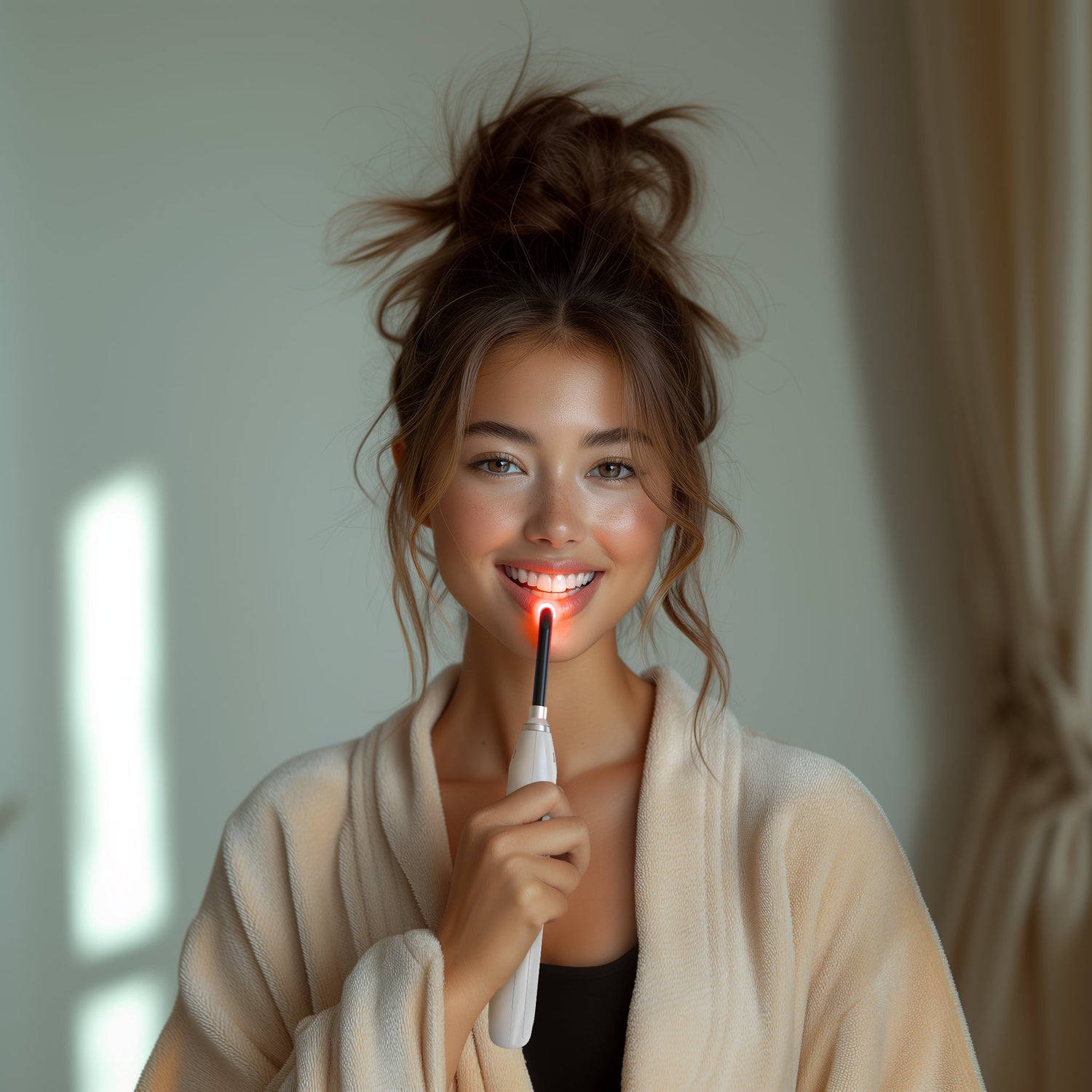
Luminance RED devices are designed to make this step feel like a comfortable part of your weekly routine instead of another task on your list.
If you prefer a mask style format for targeted LED sessions, you can explore the Luminance RED therapeutic mask collection as part of your winter routine.
Step 4: Seal in moisture and protect with SPF
Even on cloudy, cold days, ultraviolet rays can reach the skin and contribute to pigmentation, premature aging, and post acne marks.
After your red light session and any serums your provider has recommended, apply:
- A moisturizer suitable for sensitive, acne prone skin.
- A broad spectrum SPF 30 or higher every morning, all year.
This combination helps you maintain hydration, reduce the risk of dark marks lingering after breakouts, and support your long term results with red light therapy for acne.
Step 5: Support your skin overnight
Nighttime is when your skin performs much of its natural repair work. You can support that process by:
- Using prescribed acne treatments as directed by your dermatologist.
- Layering a gentle, non comedogenic moisturizer on top to prevent excessive dryness.
- Avoiding new, highly active products on nights when your skin already feels tight or irritated.
A calm, well supported barrier will usually respond better to both topical treatments and light based therapies.
Lifestyle habits that support winter results
No routine exists in isolation. A few simple lifestyle habits can help your red light therapy for acne routine work even better during the colder months:
- Use a humidifier indoors to add moisture back into dry, heated air.
- Stay consistent with sleep, which supports hormonal balance and skin repair.
- Manage stress with movement, mindfulness, or journaling since stress can be a major breakout trigger.
- Avoid over cleansing and over exfoliating, even if you are tempted to scrub away flakes.
For more ideas on adjusting your self care routine when the days are shorter and colder, you can explore Luminance REDs seasonal wellness guide, Winter Blues and Red Light Therapy.
Who is a good candidate for red light therapy in winter
Most people with mild to moderate acne can consider adding red light therapy for acne to their winter routine, especially if they:
- Struggle with redness and sensitivity.
- Find that many acne products feel too harsh in cold weather.
- Want a non drying way to support clearer skin over time.
You should talk with a dermatologist or healthcare provider before starting red light therapy if you:
- Take medications that increase light sensitivity, also called photosensitizing drugs.
- Have a history of light triggered rashes or conditions.
- Are under treatment for serious medical conditions that may be affected by additional light exposure.
If you are looking for additional winter skincare inspiration beyond acne specific tips, this article offers practical, barrier focused guidance: 7 ways to transform your winter skincare routine.
Making your winter routine realistic and sustainable
The best routine is the one you can actually keep up with. To make red light therapy for acne sustainable this winter:
- Anchor sessions to an existing habit, such as brushing your teeth or making evening tea.
- Set realistic expectations. Look for gradual improvements in redness, texture, and post breakout marks over several weeks.
- Take progress photos in consistent lighting so you can track subtle changes.
- Adjust gently. If your skin feels overworked, scale back other active products rather than your light sessions, or talk with your provider.
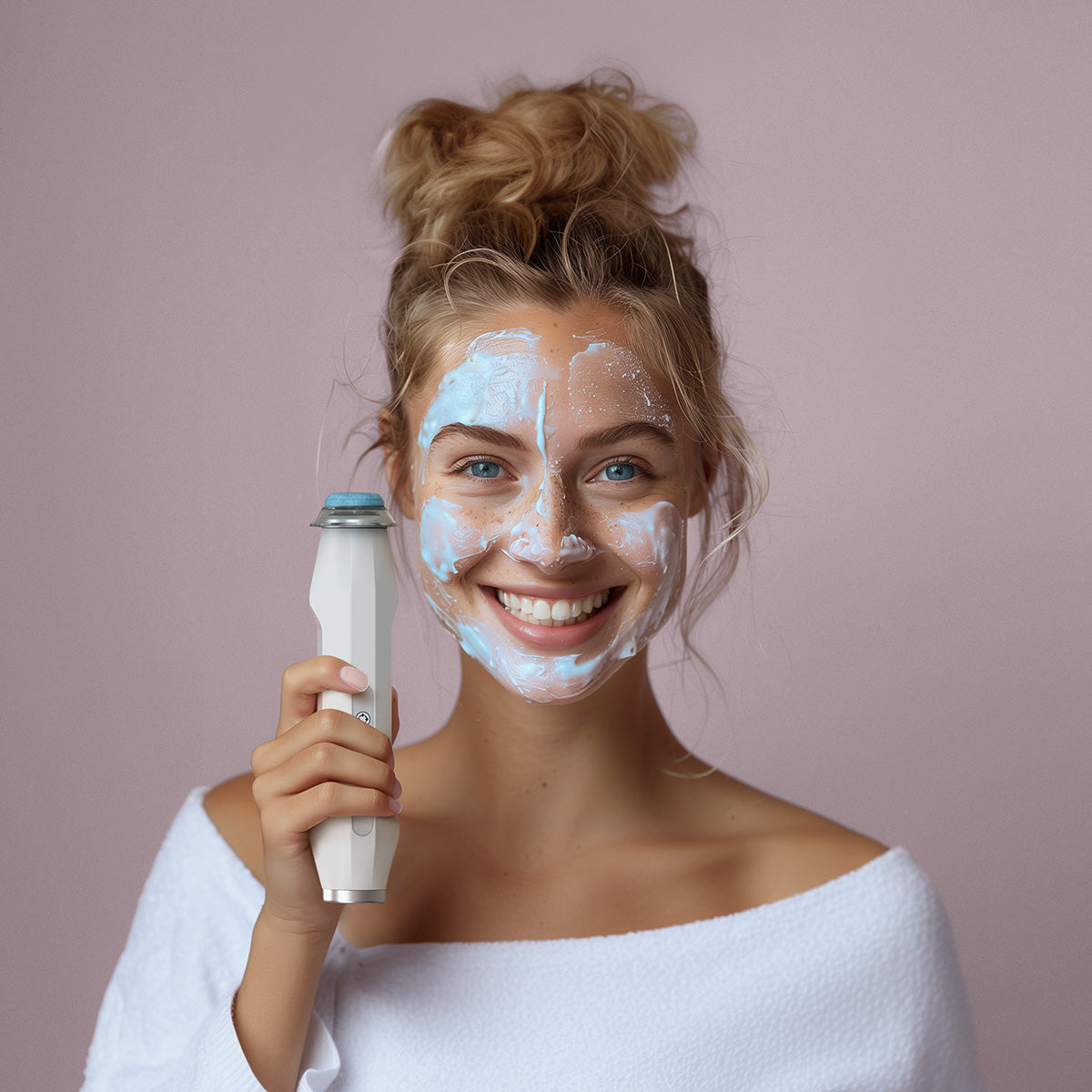
If you enjoy a facial style ritual, an at home active infusion system can add a soothing treatment step that fits into a barrier first approach. One example is the Vibe Esthetician Active Infusion Facial System, which is designed to pair targeted formulas with a professional inspired routine at home.
Think of red light therapy as a calm, supportive step in your routine, a way to care for your skin that does not rely on harshness to be effective.
The bottom line: Winter support for sensitive, acne prone skin
Winter can be a challenging season when you are managing both acne and sensitivity. Cold air, indoor heat, and heavier products can all increase irritation at the exact time you want your skin to feel calm and balanced.
By building a gentle, barrier focused routine and incorporating red light therapy for acne several times a week, you can:
- Support clearer looking skin without excessive dryness.
- Soothe redness and visible inflammation.
- Help post breakout marks fade more comfortably over time.
Paired with dermatologist guidance and consistent daily care, red light therapy can be a helpful ally in keeping sensitive, acne prone skin more comfortable all winter long.