
Red Light Therapy for Acne: Building a Fall Routine That Works

November has a way of undoing a lot of good skincare work. The air turns cold and dry, the heat comes on indoors, and hats, scarves, and turtlenecks start sitting against your skin for hours at a time. For anyone dealing with breakouts, that shift can mean irritation on top of acne, right as holiday photos and get-togethers start filling the calendar. Red light therapy for acne has become one of the most talked-about at-home treatments, and unlike a lot of skincare trends, it has real research behind it.
A single session will not clear your skin on its own, though. Like most effective acne care, light therapy works best as part of a steady routine, not a one-off fix. Here is how to build that routine for the colder months, what the science says, and how to get the most out of every session.
Why Light Therapy Works on Breakouts
To understand why red light therapy for acne has earned its reputation, it helps to know what is happening under the skin. Acne forms when hair follicles become clogged with excess sebum, dead skin cells, and bacteria, most commonly Cutibacterium acnes. The result is the inflammation, redness, and tenderness that make active breakouts so frustrating.
Red light, typically in the 630 to 660 nanometer range, reaches into the dermis and is absorbed by the mitochondria inside skin cells. That boost in cellular energy supports faster healing, calmer inflammation, and more even-toned skin. Many devices pair red light with blue light in the 415 to 470 nanometer range, which targets acne-causing bacteria directly. In one retrospective cohort study, patients with a severe form of acne who added twice-weekly red and blue LED sessions to a short antibiotic course improved faster than those on standard medication alone, while cutting their antibiotic exposure roughly in half. In other words, the two wavelengths tackle the problem from different angles at once.
Step One: Start With a Clean, Calm Base
Light therapy works best on skin that is prepped, not irritated. Before every session, wash with a gentle, non-stripping cleanser. Cold weather already pulls moisture from your skin, so skip harsh scrubs and hold off on retinoids or strong acids right before treatment. Freshly irritated skin is more sensitive and less comfortable under the light.
Pat your skin dry rather than rubbing it. Pay extra attention to the areas winter accessories touch most. Beanies and headbands trap sweat and oil along the hairline, and that friction is one reason breakouts cluster there in colder months. Sebum, hair products, and pressure all play a role in acne on the temples, so washing hats and headbands regularly is a small habit that pays off.
Step Two: Use Your Device Consistently, Not Occasionally
This is the step where most people fall off. Red light therapy for acne is not a rescue treatment you reach for the night before a holiday party. It is cumulative, meaning the benefits build session over session as your skin responds to repeated, low-level light exposure.
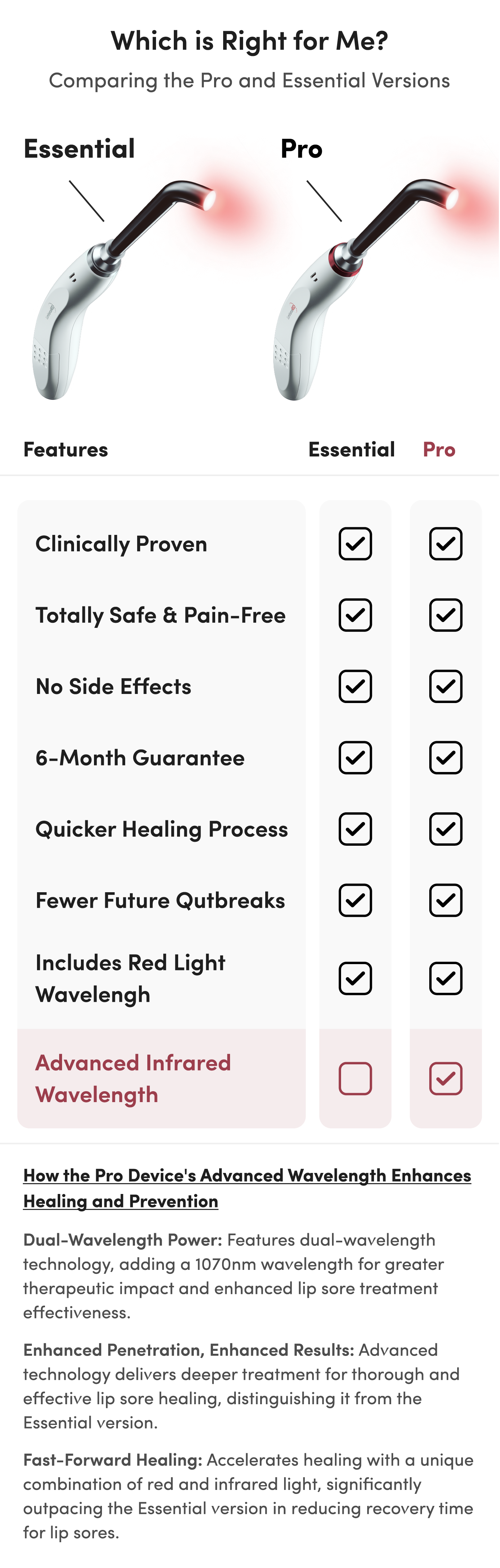
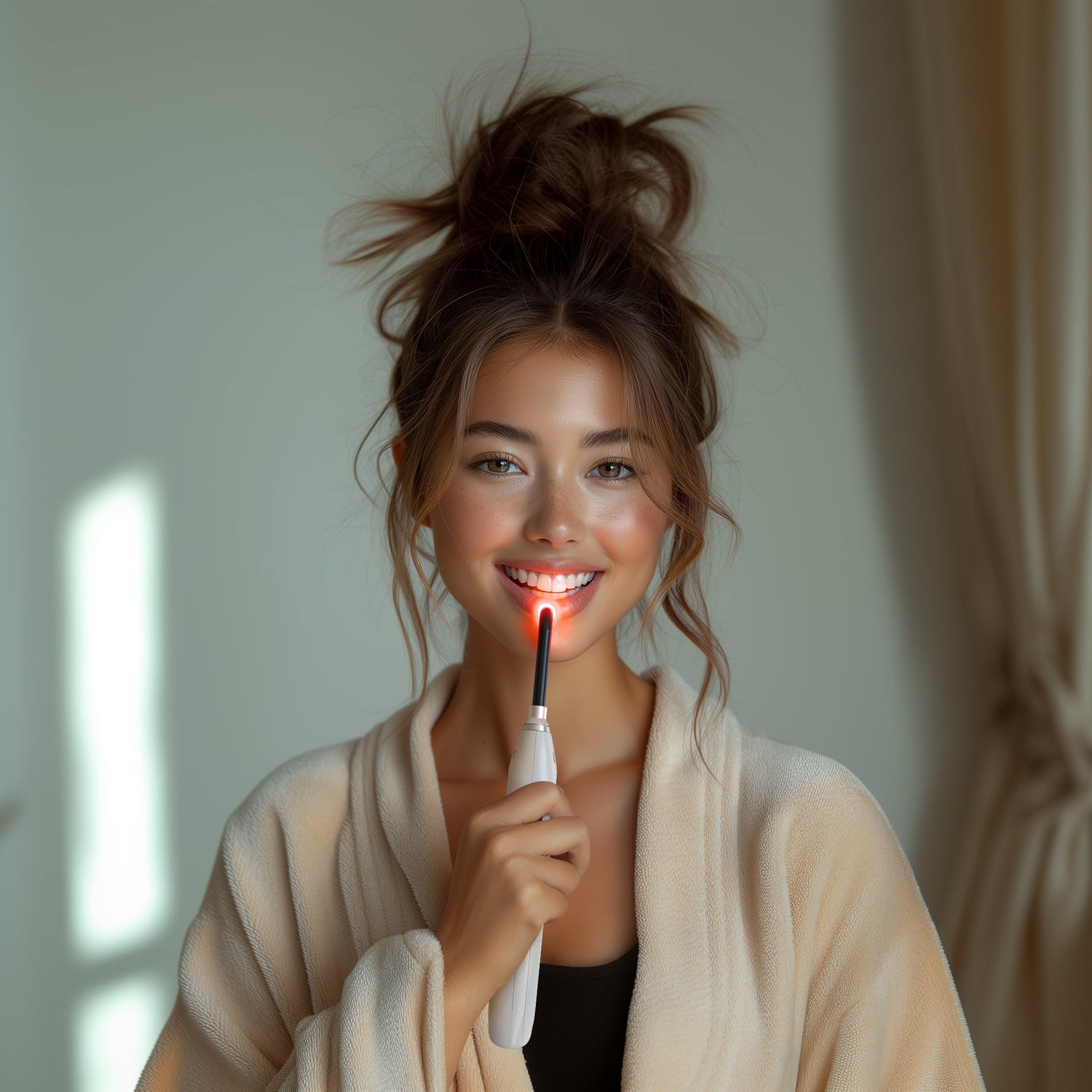
Most at-home devices are designed for short daily sessions rather than long, occasional ones. This device for treating acne is a good option that combines blue light to target acne-causing bacteria with red light to calm inflammation and support healing, typically used once in the morning and once before bed. Skipping days here and there slows progress far more than skipping a day of moisturizer would, simply because the effect depends on steady exposure over weeks.
Shorter days actually make this easier. With more evenings spent indoors, it is simple to pair a session with something you already do, like brushing your teeth or winding down before bed. That pairing makes it far easier to stay on track through the first few weeks, which is usually when changes start to show.
Step Three: Layer the Right Products Around It
Light therapy pairs well with a supportive routine, but not every product belongs in the mix, especially when the air is dry.
Moisturize right after your session. A lightweight, non-comedogenic moisturizer supports your barrier while it heals. In winter, you may need something a little richer than your summer formula, as long as it stays pore-friendly.
Lean on gentle actives. Niacinamide and hyaluronic acid are generally well tolerated alongside light therapy, and both help with hydration and the lingering redness after a breakout that tends to look worse against cold-flushed skin.
Space out stronger ingredients. Retinoids, benzoyl peroxide, and exfoliating acids are effective acne ingredients, but stacking them on already dry winter skin can increase sensitivity. Many dermatologists suggest using one in the morning and the other in the evening, or alternating days.
Keep wearing SPF. UV exposure does not disappear in November. Skin that is healing from acne is more prone to post-inflammatory dark spots, and gray winter days still carry enough UV to make them linger.
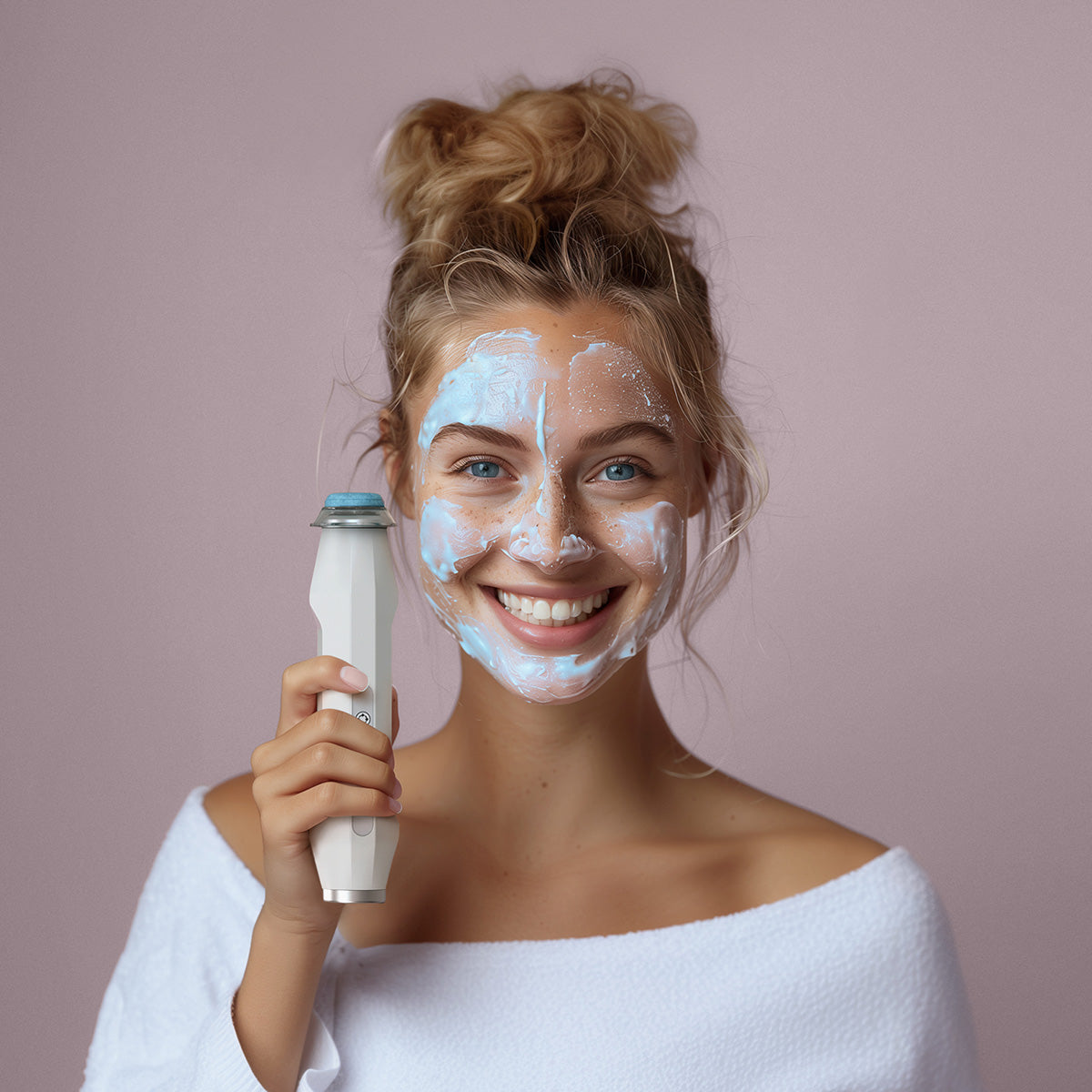
If you work with an esthetician or want a deeper treatment on top of your at-home routine, an active infusion facial system can pair light therapy with targeted serum delivery. Think of it as a periodic add-on before a big event rather than a daily step.
Step Four: Track Your Skin Over Time
It is tempting to check the mirror every morning looking for dramatic change, but red light therapy for acne tends to show gradual improvement rather than an overnight transformation. Many people first notice calmer, less inflamed skin within a few weeks of consistent use, with texture and tone improving over the following month or two.
The research reflects that slower timeline. A 12-week randomized study found that a combined blue and red light mask was a safe and effective option for mild to moderate acne, with results measured across the full three months rather than days.
Taking a photo in the same lighting once a week is a simple way to see that progress, since daily changes are hard to spot in real time. If you start now, your week eight photo lands right around the new year, which makes for a satisfying check-in.
Step Five: Know When to Combine, and When to Pause
Red light therapy for acne is generally well tolerated and considered safe for most skin types, with fewer side effects than many other acne treatments. That said, it is not a substitute for a dermatologist's guidance if you are dealing with severe, cystic, or rapidly worsening acne. Light therapy can be a valuable complement to a professional treatment plan, but persistent or painful breakouts deserve an evaluation.
If you are new to at-home light therapy, it helps to understand how red and blue light work together before your first session, so you know what to expect from each wavelength and how often to use it.
Building the Habit Through Winter
The biggest factor in whether red light therapy for acne works for you is not the device itself. It is whether you use it consistently. Treat it like any other part of your routine: cleanse, treat, moisturize, protect, and repeat. Give it time to work at the cellular level, session after session, rather than expecting an overnight fix.
Winter can make acne feel even more stubborn, especially when dry air and holiday stress pile on at once. But with a routine built around consistency, a little extra hydration, and the right mix of red and blue light, most people do see real improvement, and that is worth the few minutes a day it takes to get there.