
Red Light Therapy for Clear Skin: Why It’s Not About Luck

St. Patrick's Day is full of four leaf clovers, lucky charms, and little rituals that promise good fortune. When it comes to clear skin, though, luck is only a small piece of the picture. Genetics, hormones, daily habits, and evidence based skincare choices all play much bigger roles than any charm or superstition.
If you have ever looked at someone else's clear skin and thought they were simply lucky, you are not alone. The good news is that you can support clearer skin with consistent care. Red light therapy, paired with gentle daily routines, gives you a practical way to help calm redness, support your skin barrier, and work toward clearer skin over time.
In this guide, we will look at how red light therapy fits into a science backed clear skin routine, how to keep your complexion on track during social events and lifestyle triggers that can cause breakouts, and why your results have much more to do with consistency than luck.
Is Clear Skin Really Just Good Luck
It is easy to assume that clear skin is something people are simply born with. In reality, most complexions are shaped by a mix of:
- Genetics and hormone patterns
- Skin type and sensitivity
- Environment, including climate and pollution
- Daily habits, like cleansing, makeup, diet, stress, and sleep
- The treatments and products you choose
You cannot control every factor, and some people will always seem to need to do very little for clear skin. Still, most of us can make meaningful improvements by focusing on routines that reduce inflammation, protect the skin barrier, and keep pores from getting congested.
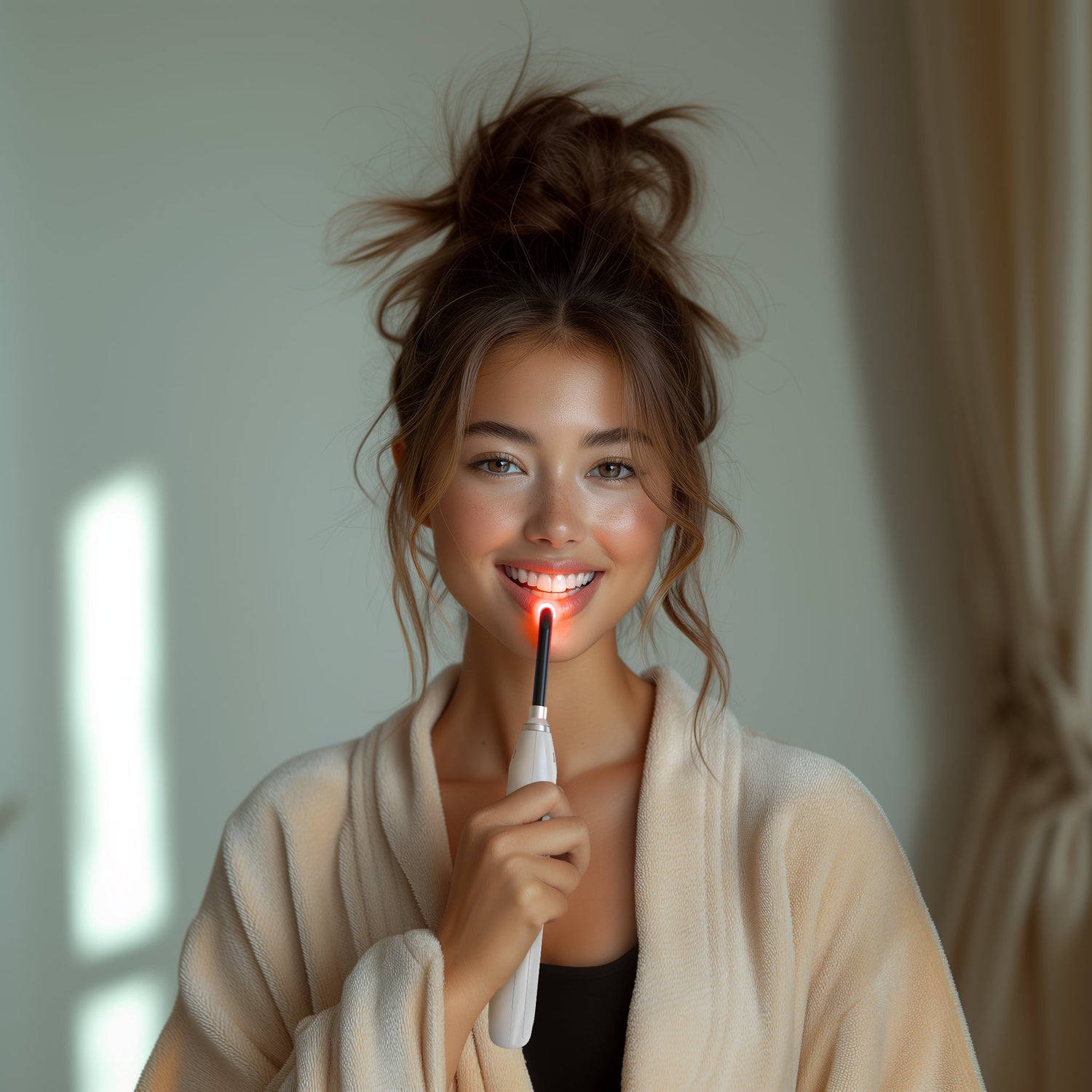
That is where red light therapy for acne comes in. Instead of leaving your skin to chance, you can use specific wavelengths of light to support healthier skin function beneath the surface.
How Red Light Therapy for Acne Supports Clearer Skin
Red light therapy for acne uses specific wavelengths of visible red and near infrared light to gently interact with cells in the skin. When used consistently, this light can help:
- Support cellular energy production
- Calm visible redness and irritation
- Encourage a healthier skin barrier
- Support circulation in the treated area
For people who are prone to breakouts, these effects can translate into calmer, more resilient skin that is better able to recover from flare ups. A review of light based acne treatments in the Journal of Clinical and Aesthetic Dermatology notes that red and blue light can help reduce inflammatory lesions in acne when used consistently over time, especially as part of a broader routine. You can read more about that science in this study.
If you want a deeper dive into how these devices fit into acne care, Luminance RED's article on red light therapy for hormonal acne walks through how light can support skin that is affected by cyclical hormone shifts. For a broader overview of how light affects overall skin health, this LightTherapy.org beginner's guide to red light therapy for skin health is a helpful starting point.
The key is not a single lucky session. It is showing up for your skin with a realistic, repeatable routine.
Building a "No Luck Needed" Clear Skin Routine
You do not need a drawer full of products to work toward clear skin. Instead, think of your routine in a few simple layers.
Start with a gentle base routine
A solid foundation for clear skin usually includes:
- A gentle, non stripping cleanser used once or twice a day
- A lightweight, fragrance free moisturizer to support your barrier
- Daily broad spectrum sunscreen in the morning
This kind of routine helps keep your skin comfortable so that it can tolerate targeted treatments and light based therapies more easily.
Add red light therapy for consistency, not quick fixes
Red light therapy tends to work best when you treat it like brushing your teeth, something you do regularly instead of only when you see a problem.
Many people use an at home LED mask or panel a few times per week, following the usage guidance that comes with their device. Options like Luminance RED's therapeutic mask are designed to deliver consistent, targeted light while you relax, read, or scroll your phone.
Over time, this kind of routine can help support a calmer complexion and a more even looking skin tone. It does not guarantee perfectly clear skin, but it can make a noticeable difference when combined with other healthy habits.
Pair light with targeted treatments wisely
If you already use acne focused topicals like benzoyl peroxide, salicylic acid, or retinoids, red light therapy can often sit alongside them in a routine. A few practical tips:
- Introduce only one new step at a time so you can see how your skin responds
- Use more active ingredients at night and keep mornings focused on hydration and sunscreen
- Patch test new products on a small area before applying them all over your face
When in doubt, keep things simple. The goal is steady support for clear skin, not a complicated ritual that is hard to stick with.
How to Maintain Clear Skin During Social Events and Breakout Triggers
Social events and celebrations often bring late nights, richer food and drinks, heavier makeup, and more time in crowded environments.
Instead of trying to be perfect, focus on a few realistic steps before, during, and after celebrations.
Before the celebration
In the days leading up to a social event or occasion:
- Stick to your simple clear skin routine without adding new products
- Use red light therapy on a regular schedule to help keep redness and irritation in check
- Make sure your moisturizers and sunscreen are not irritating your skin
The goal is to keep your skin as calm and supported as possible before you add event related stress on top.
During the night
Before the event:
- Choose makeup labeled non comedogenic or suitable for sensitive skin when possible
- Avoid sharing makeup or applicators with friends
- Bring blotting papers or a clean cloth instead of constantly touching your face
- Drink water between festive drinks to help your skin and body stay hydrated
These small habits will not override every trigger, but they can help you get through the night with fewer surprises.
The day after
Once the party is over, a gentle reset can help your skin recover.
- Remove all makeup thoroughly with a gentle cleanse or double cleanse
- Return to your usual moisturizer and sunscreen rather than experimenting with new products
- Use a red light therapy session to help calm visible redness and support recovery
If you like at home spa rituals, you might layer in a soothing at home facial using modern devices for skincare. Choose products that focus on hydration and barrier support so you are not overwhelming your skin right after a long night out.
Mindset, Luck, and Your Clear Skin Journey
It is natural to wish for overnight change, especially when you are dealing with breakouts or uneven texture before a social event. Still, tying your confidence to a single day or a single imperfection can make skin care feel like a constant test of luck.
A few mindset shifts can help:
- See clear skin as a long term project, not a one day outcome
- Notice all the ways you care for your skin and body, even when results feel slow
- Remember that lighting, cameras, and filters change how skin looks from moment to moment
- Give yourself permission to enjoy celebrations even if your skin is not where you want it yet
Red light therapy and a thoughtful routine can support clearer skin. Your worth and your right to have fun are not dependent on a perfectly clear complexion.
When To Talk With a Professional
If you are using gentle routines and light therapy consistently but still struggle with painful, widespread, or scarring breakouts, it is a good idea to talk with a dermatologist or qualified skin professional. They can:
- Help you understand what type of acne or skin concern you are dealing with
- Recommend prescription options when appropriate
- Suggest ways to integrate at home light therapy safely into your broader plan
Professional guidance can help you get more from your at home efforts and avoid trial and error that irritates your skin.
The Bottom Line
Clear skin is not about luck, it is about daily habits and consistency. Consistent red light therapy, simple products that support your barrier, and realistic routines do far more for your complexion than any charm ever could.
By focusing on what you can control, you give your skin a better chance to look calm and clear, not just in March, but all year long.